

mirrors without frames
Replacing the Pressure Valve on Your Water Heater Water heaters play a crucial role in our daily lives, providing us with the hot water we need for showers, cooking, and cleaning. However, like any appliance, they can encounter problems over time. One common issue is a malfunctioning pressure relief valve, which is essential for preventing excess pressure buildup within the heater. In this article, we will discuss how to identify the need for a replacement and the steps involved in replacing the pressure valve on your water heater. Understanding the Pressure Relief Valve The pressure relief valve is a safety device designed to release excess pressure from the water heater. Under normal operating conditions, it allows steam or water to escape if the pressure exceeds a predetermined level, thus preventing possible explosions or damage to the unit. Typical indicators of a malfunctioning pressure relief valve include water leaking from the valve or a hissing sound coming from the heater. Signs You Need to Replace Your Pressure Relief Valve 1. Visible Water Leakage If you notice water pooling around the valve or drips coming from it, this could indicate that the valve has failed and needs replacement. 2. Excessive Pressure Release A valve that frequently releases water, even when the heater is not under heavy use, can signify that it is no longer functioning correctly. 3. Old Age If your water heater is more than 5-10 years old, it’s a good idea to inspect the pressure valve, as it may have reached the end of its life cycle. 4. Discoloration or Corrosion If you see rust or corrosion on the valve, it might be time to replace it to prevent further complications. Steps to Replace the Pressure Relief Valve replacing pressure valve on water heater Tools and Materials Needed - Adjustable wrench - Teflon tape - Bucket or towel for spills - New pressure relief valve (ensure it matches the specifications of your existing one) Step 1 Turn Off the Water Heater Before starting any maintenance, make sure to turn off the power supply to the water heater. If it’s an electric water heater, unplug it or switch off the circuit breaker. For gas heaters, turn the thermostat to the ‘vacation’ or ‘off’ setting. Step 2 Shut Off the Cold Water Supply Locate the cold water supply valve at the top of the water heater and turn it off. This will prevent new water from entering the tank. Step 3 Drain the Tank Using a bucket or hose, drain a small amount of water from the tank to reduce pressure. There should be a drain valve at the bottom of the heater. Open it and let water flow until the pressure is adequately relieved. Step 4 Remove the Old Valve Using your adjustable wrench, carefully unscrew the old pressure relief valve from its housing. Be cautious to avoid damaging the threads. Step 5 Install the New Valve Apply Teflon tape to the threads of the new pressure relief valve to ensure a proper seal. Screw it into place, making sure it is tight but not overtightened, as that could cause damage. Step 6 Restore Water Supply and Power Turn the cold water supply back on and allow the tank to fill. Once it’s full, check for leaks around the new valve. If there are no leaks, you can restore power to the heater. Step 7 Test the Valve After everything is back in position, test the new pressure relief valve by lifting the lever. You should hear a hissing sound as water is released, indicating it’s functioning properly. Conclusion Replacing the pressure relief valve on your water heater is a manageable task that can enhance the safety and efficiency of your appliance. By being attentive to signs of malfunction and following the steps outlined above, you can ensure that your water heater continues to operate safely for years to come. If you feel uncomfortable performing this task yourself, don’t hesitate to call a professional plumber. Your safety is paramount!
about
mirrors without frames
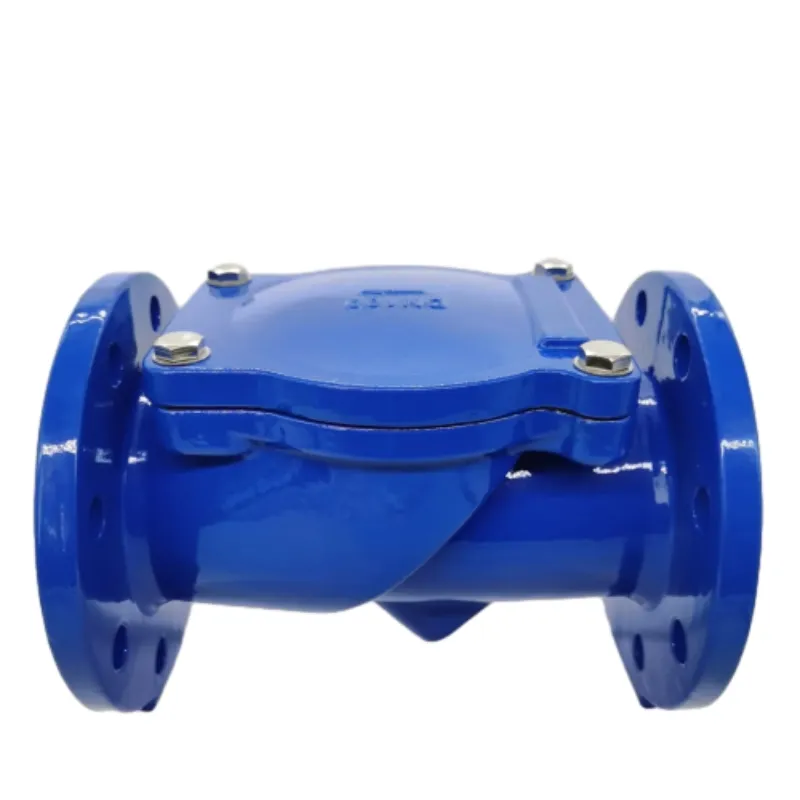
Understanding the Tilting Disk Check Valve A Key Component in Fluid Systems The tilting disk check valve is an important device widely used in various fluid systems for its efficiency and reliability in preventing backflow. Unlike traditional check valves, which may utilize a ball or flap, the tilting disk design features a disc that tilts on a pivot. This unique mechanism allows for smoother flow and improved performance in dynamic conditions. One of the primary functions of the tilting disk check valve is to permit the forward flow of liquids while preventing reverse flow, which can cause significant damage to piping systems and equipment. The valve operates under the principle of gravity and the kinetic energy of the fluid . When flow occurs in the forward direction, the disk tilts open, allowing fluid to pass. However, when the flow attempts to reverse, the disk tilts back to its closed position, effectively sealing the pipe and stopping the backflow. Tilting disk check valves are particularly appreciated in applications where high flow rates and minimal pressure drop are essential. Their streamlined design promotes a more efficient flow, minimizing turbulence and energy loss. This feature is particularly useful in water treatment facilities, wastewater management systems, and industrial processes where maintaining flow consistency is crucial. tilting disk check valve Moreover, the tilting disk check valve is designed to withstand fluctuating pressures and varying flow conditions. Typically constructed from durable materials such as stainless steel or ductile iron, they can operate effectively in harsh environments, including corrosive and high-temperature conditions. This resilience contributes to their longevity and reduces the need for frequent maintenance or replacement. Installation and maintenance of tilting disk check valves are relatively straightforward. They can be installed in a vertical or horizontal position, offering flexibility in design and placement. Regular inspections and maintenance are recommended to ensure their effectiveness, particularly in systems with high operational demands. In conclusion, the tilting disk check valve stands out as a critical component in fluid handling systems. Its ability to prevent backflow efficiently while accommodating high flow rates makes it an indispensable choice in numerous industrial applications. Understanding its operation and advantages can lead to better decision-making when designing or upgrading fluid transport systems, contributing to enhanced system integrity and reliability.
-

High quality industrial productsagement

High quality industrial products
View Details -

Meet the diverse needs of customers

Meet the diverse needs of customers
View Details -

Strict quality control

Strict quality control
View Details -

Top raw materials

Top raw materials
View Details -

Trusted supplier

Trusted supplier
View Details
Our application


news and information
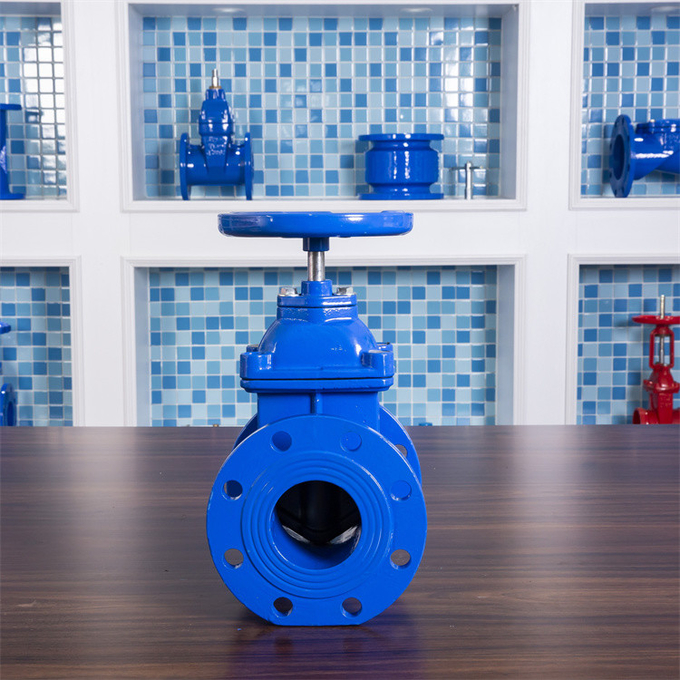
Wholesale Suppliers for High-Quality Ball Valves in Diverse Applications
The Wholesale Market for Ball Valves Trends and Insights In the industrial landscape, ball valves pl
Válvula borboleta de 14 polegadas
Válvula Borboleta de 14 Polegadas Importância e Aplicações A válvula borboleta é um dispositivo de c
Y Type Suction Strainer Overview and Applications in Fluid Systems
Understanding Y-Type Suction Strainers A Vital Component in Fluid Systems In various industrial appl
 English